

Providing Christ-centered spiritual care to struggling and suffering men
Over the years I’ve often found myself serving as a “shepherding friend” to men navigating all kinds of challenges. Brothers in Christ have also shepherded me through my own struggles—spiritual anxieties, sinful failures, near-apostasy, parenting heartaches, pastoral hardships, identity crises, and so on. On both sides of the relationship, I have seen God comfort, strengthen, and sanctify afflicted men through the care of a mature brother.
Unfortunately, many men don’t have access to this kind of personalized help. Maybe their friends aren’t spiritually mature. Maybe they don’t have friends. Maybe their pastor’s direct caseload is already too heavy. Maybe they don’t have a pastor. Maybe formal biblical counseling is inaccessible, feels intimidating, or is something they’ve had a bad experience with.
Whatever the reasons are, men across our cities are struggling and suffering alone. They need and want help—the Jesus kind of help. But they can’t find it.
The Challenge
I lean into this gap by providing a season of Christ-centered spiritual care to struggling and suffering men.
The Opportunity
The Approach
My ministry to these men takes place across a series of unhurried, face-to-face meetings that have three primary goals:
Their comfort (2 Cor 1:3–5).
Their endurance (Heb 3:12–14, 10:35–36, 12:1–13).
Their sanctification (Rom 6:1–4, 12:1–2; Eph 4:24).
We pursue these goals by:
Praying earnestly for a deeper experience of Christ’s knowledge-surpassing love (Eph 3:14–21).
Practicing Scripture-saturated habits that renew the mind and cultivate Godward affections (Deut 6:4–9; Col 3:16; Rom 12:2).
Reflecting frequently on God’s providential rule over all things, including evil and suffering (Gen 50:20; Rom 8:28).
Learning to keep watch over the inward life and submit it to Christ (Acts 20:28; 2 Cor 10:4–5).
Learning to take hold of God’s pardoning and empowering graces in the fight against temptation and sin (1 John 2:1–6; 2 Peter 1:3).
Cultivating Christ-centered relationships (Acts 2:42–47; Heb 3:12–14, 10:35–36).
Below are a few principles that shape how I conduct this ministry:
Wise counsel speaks the right truth at the right time with the right measure and tone. The Bible is authoritative and applicable for all people (2 Tim 3:16), but there are clumsy, hurtful, and just plain wrong ways to apply its teaching (see Job’s friends).
The local church is the home of Christian discipleship. Parachurch ministries can supplement the church’s ministry, but they shouldn’t replace it. Belonging to a defined group of believers under pastoral oversight is vital for spiritual health.
Ministers are responsible for recognizing when someone has challenges that exceed the minister’s capabilities. They should not delay in referring the person to the appropriate channels of care.
Your partnership helps provide Christ-centered care for struggling men. By supporting Matt’s ministry, you are helping him to come alongside and care for men suffering from isolation.
Support Matt’s Ministry
-
About Matt Moore
OUTREACH MINISTER
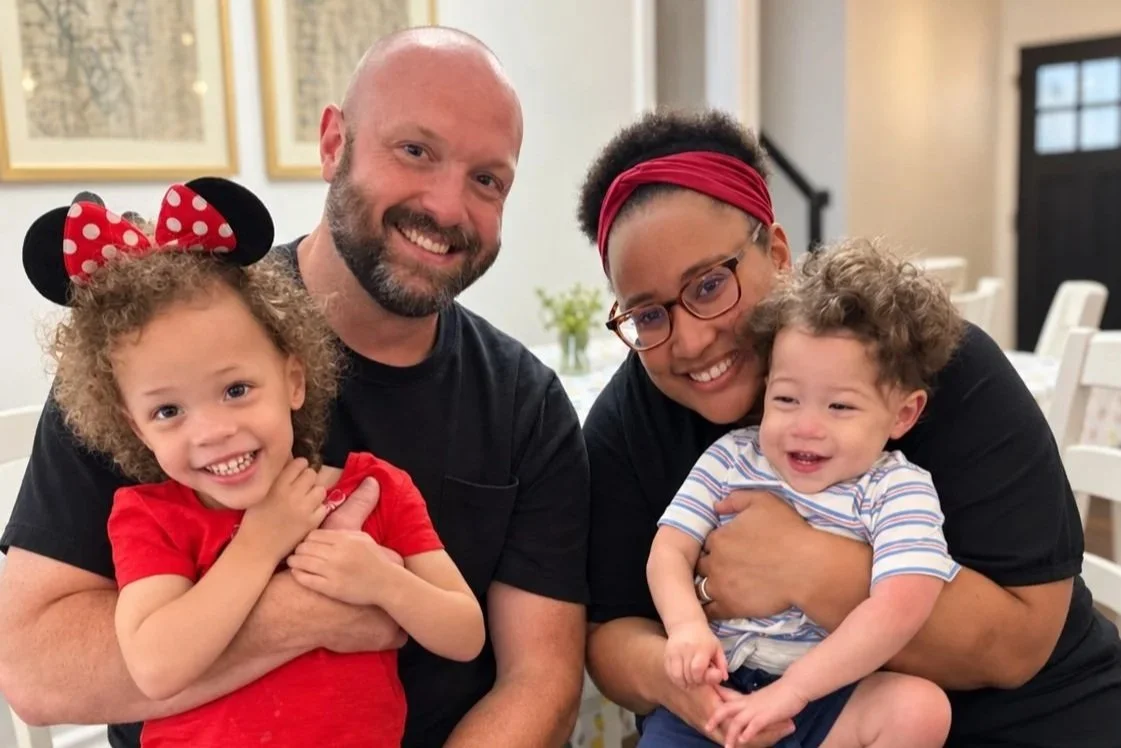
Matt was heavily involved in urban church planting ministry in New Orleans from 2013–2019. Sensing a call to pastoral ministry, he moved to the Twin Cities in 2019 to attend Bethlehem College and Seminary. Over the next several years, he completed two theological degrees and served the church in various capacities, most recently as a pastor/elder. Matt also served on CityJoy’s Board of Directors from 2023–2025.
Matt and his wife, Talitha, have been married for seven years and have two children: Elizabeth (3) and Liam (1). Matt’s favorite role in life is being a husband and father. Hands down.